
Rana Bishara
The Politics of Memory
Born in 1971 in the village of Tarshiha, in the Galilee, Bishara is an interdisciplinary artist. She earned a Master of Fine Arts from the Savannah College of Art and Design in 2003. Between 2009 and 2011, she directed the art department at Al-Quds University in Jerusalem contributing to the education of new generations of engaged artists.
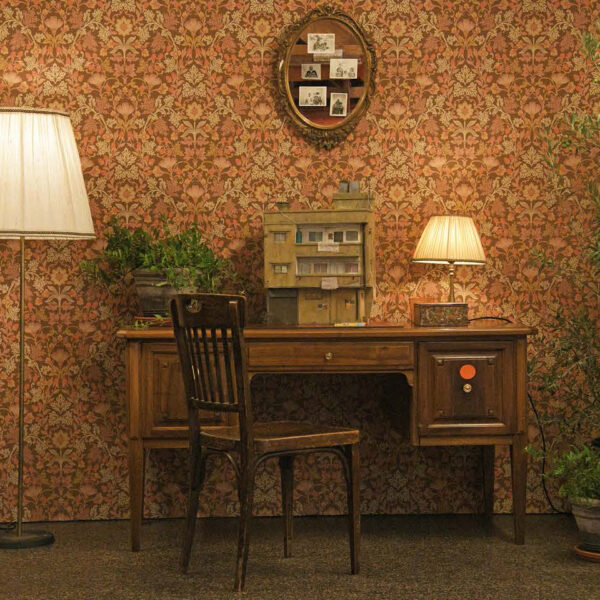
She has participated in numerous international exhibitions, both solo and group shows, and her works are part of important collections worldwide. In 2012 she created a memorial to the Sabra and Shatila massacre in Bagnolet, Paris.
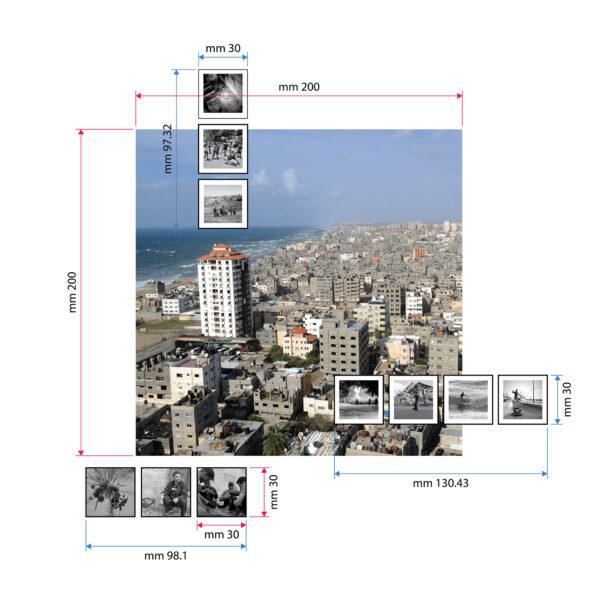
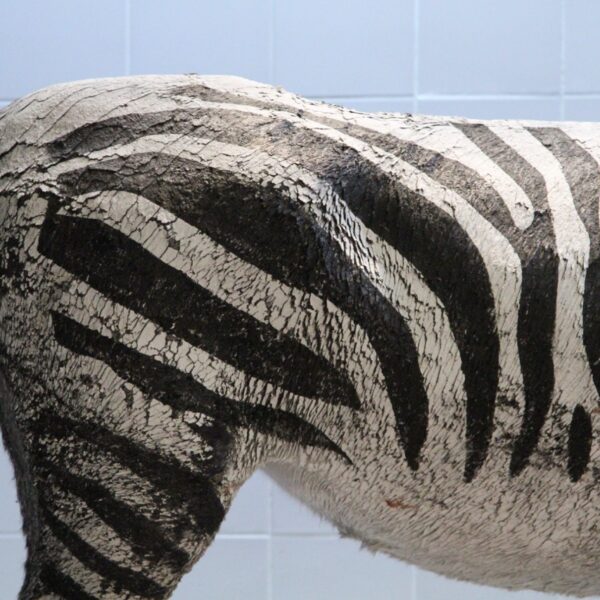
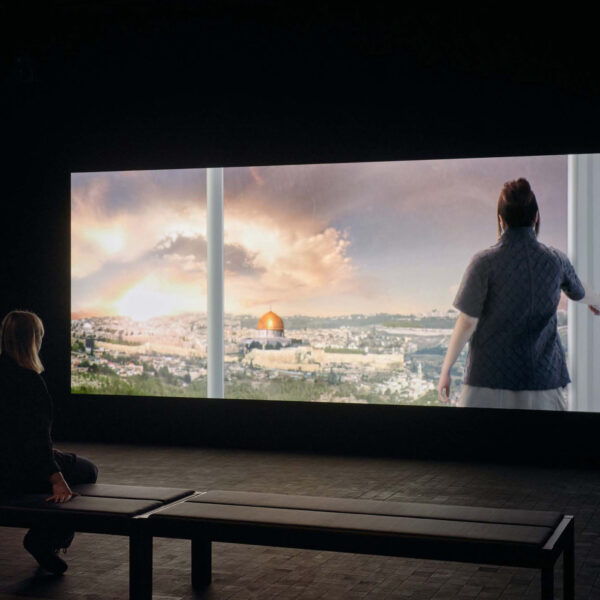
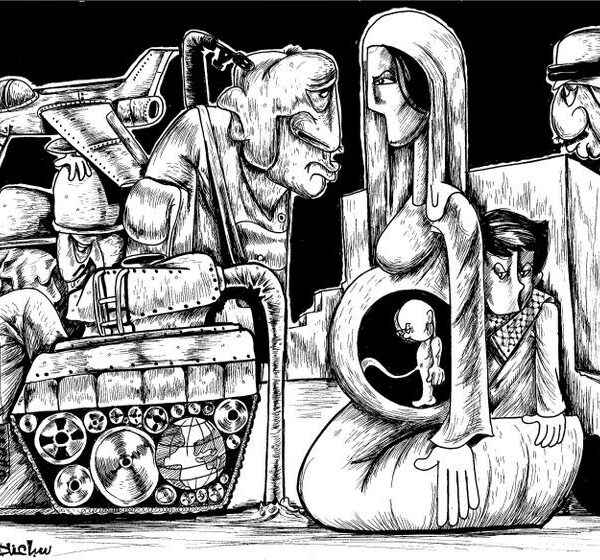
As an interdisciplinary artist, she weaves together sculpture, installation, photography, and performance into a practice that is deeply political and rooted in Palestinian reality. Her work springs from the tension between belonging, exile, and resistance, and is fueled by a strong commitment to denouncing the consequences of colonisation and cultural erasure. She is a ‘48 Palestinian, living the trauma of being displaced in her own country. In 1948, the state of Israel was declared and for Palestinians it was the start of the Nakba, or “catastrophe”: a part of them stayed inside the borders and that’s why they prefer to call themselves by that year and not “Arab Israeli”
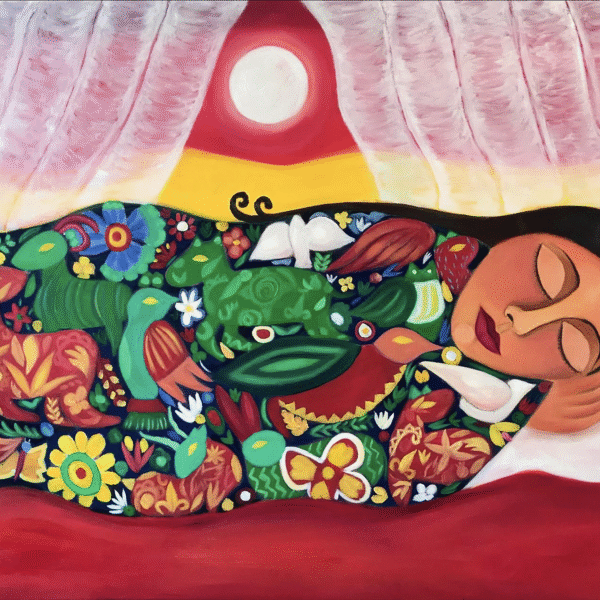
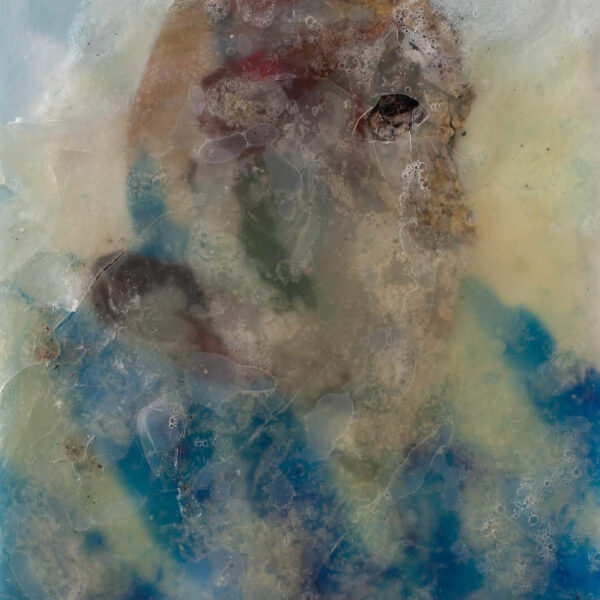
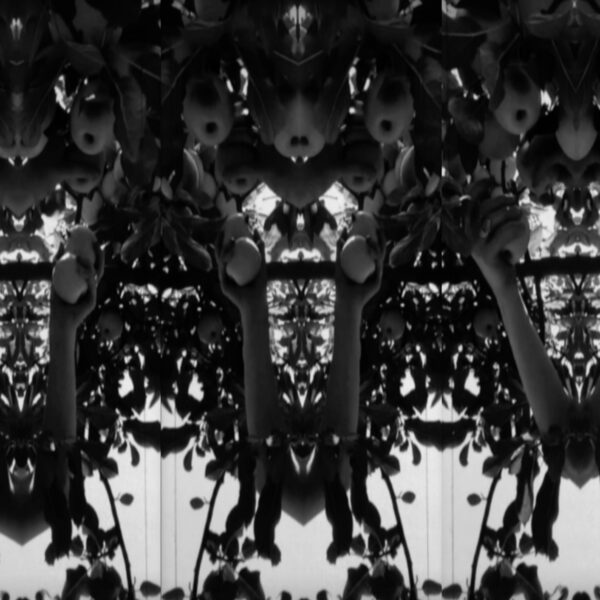
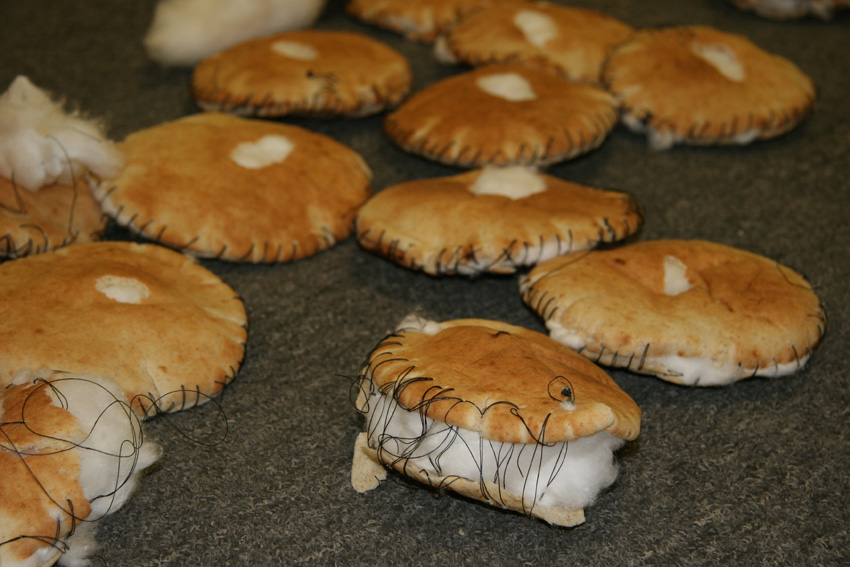
Her artistic research focuses on collective memory and the reappropriation of marginalised territories and narratives. The materials she uses -seeds, stones, cactus thorns, salt- are laden with symbolic and historical meaning, often connected to Palestinian rural life and the systematic dispossession of that memory. These elements become the medium for a narrative that opposes erasure and builds bridges between the past and the present. It is a sumud pedagogy of the gaze: sumud – steadfastness in Arabic – “is a decolonial mode of learning and meaning-making through which minoritized speakers engage in linguistic and semiotic practices to reassert presence” as Awayed-Bishara wrote in 2023.
In 2012, in Bagnolet she created a memorial dedicated to the Sabra and Shatila massacre, a work that testifies to her commitment to an active, critical, and often uncomfortable memory. “To remember is to resist,” she stated in an interview. “Every work is a form of return, even if only symbolic.”
Bishara’s art is an invitation to interrogate history and the present, to shake reassuring beliefs and narratives. It does not seek consolation but forcefully affirms the existence of those who have been denied, marginalised, or exiled.
Today, Bishara lives and works between the Galilee and Jerusalem, continuing to develop an artistic language that unites aesthetic gesture and political statement. Her works ask not only to be seen but to be understood in their context and rootedness. In a time marked by amnesia, Bishara continues to work on the threshold between memory and struggle, tracing paths that keep testimony alive.
© Elettra Stamboulis
Watch the Podcast: ‘Art Saved My Life’: The Story of Palestinian Artist Rana Bishara
See more https://ranabishara.wordpress.com/
Works
Artists