
Mohammed Joha
Stitching Memory Back Together
Mohammed Joha (b. 1978) is a Palestinian artist born in Gaza and based in France. He earned a degree in Fine Arts from Al-Aqsa University in 2003 and later studied at the Summer Academy of Arts at the Khalid Shoman Foundation in Jordan. He has worked in Paris and Italy, completing an artistic residency at the Cité des Arts in Paris in 2005. He also participated in a residency and workshop at the Dar Al Funun Foundation alongside artist Marwan Qassab Bachi. In 2004, he won the Young Artist Award for his work Clothesline.
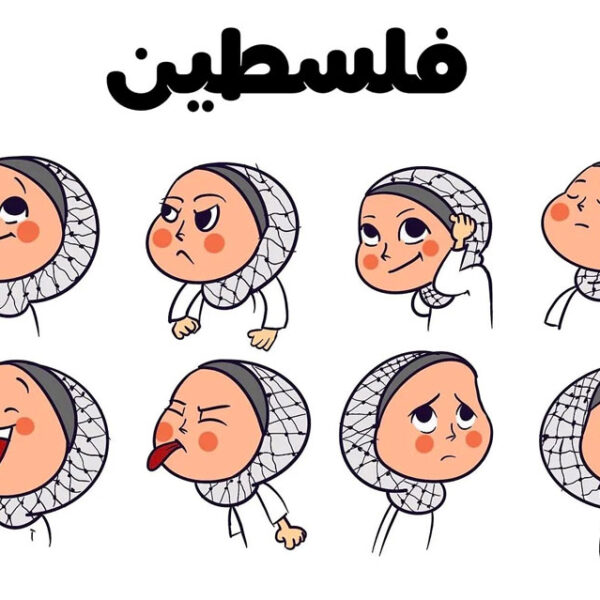
His practice spans painting, collage, installation, and video, employing an expressive and layered visual language to explore themes of exile, identity, resilience, and the loss of innocence among Palestinian children.
Joha’s art emerges from a context marked by war and displacement — yet from this condition, he draws strength to mend, through signs and forms, the torn fabric of Palestinian memory. His work is not only aesthetic but deeply political, an act of resistance that gives voice to those who have been silenced. As the artist himself states: “In my work I try to gather the threads of our history, to stitch back together what has been torn apart by war and occupation.”
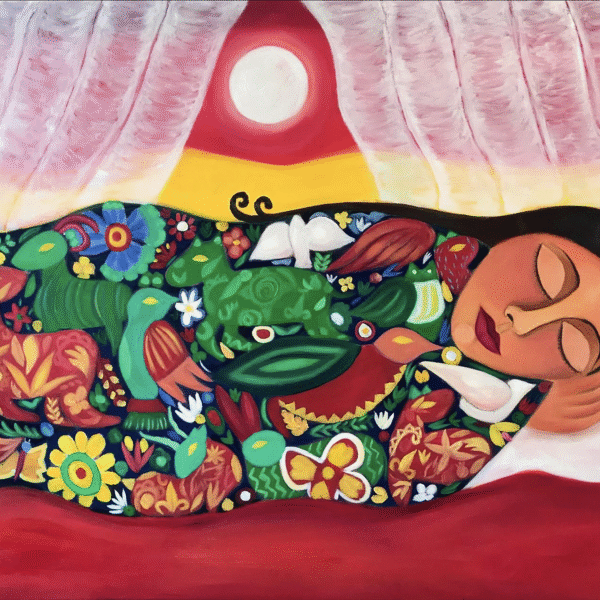
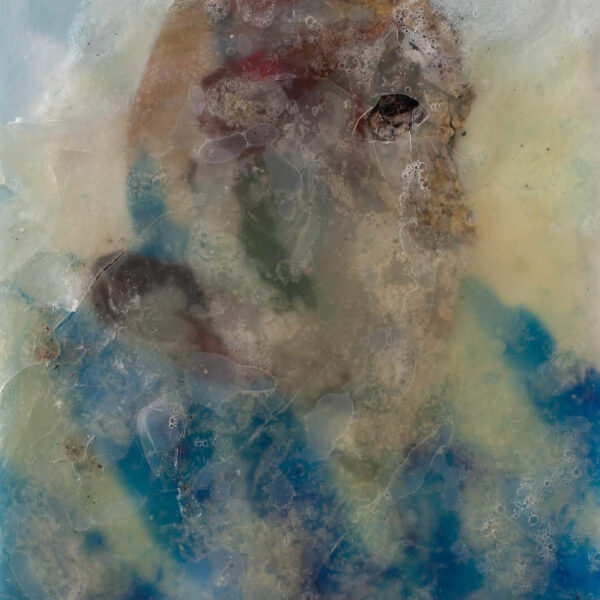
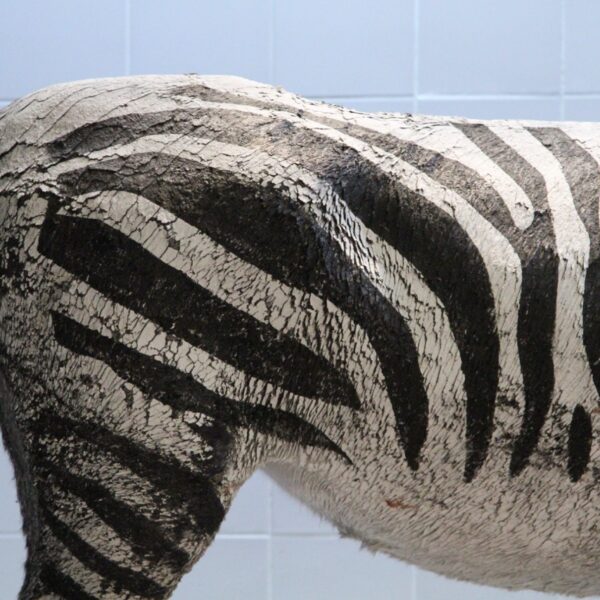
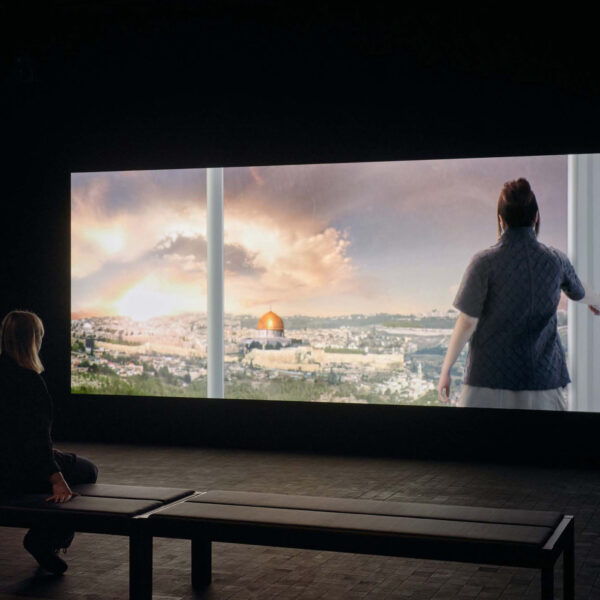
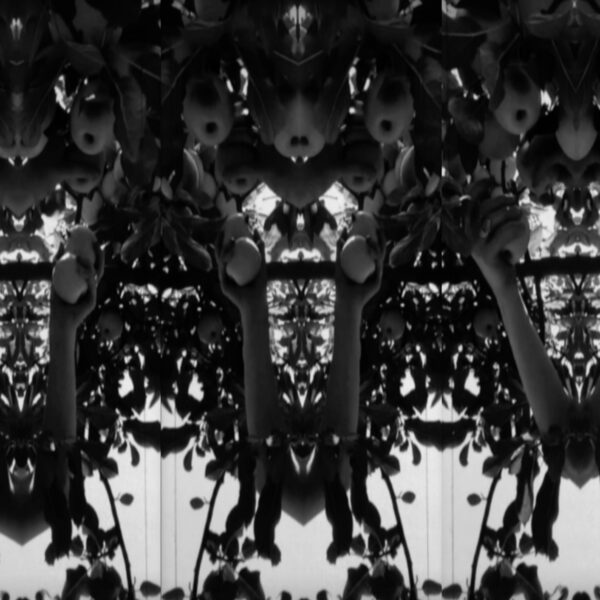
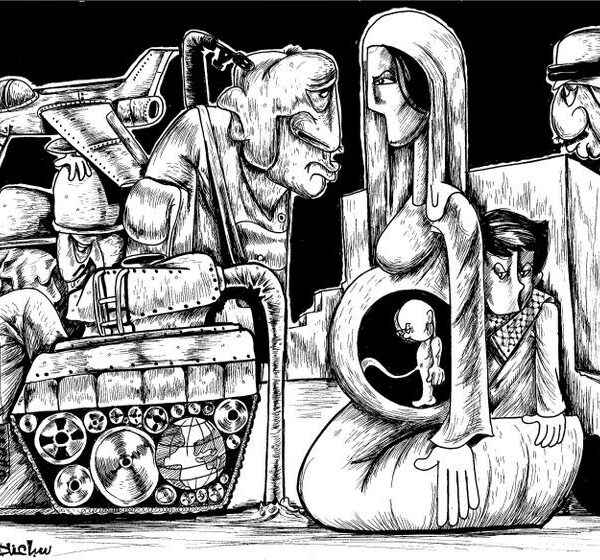
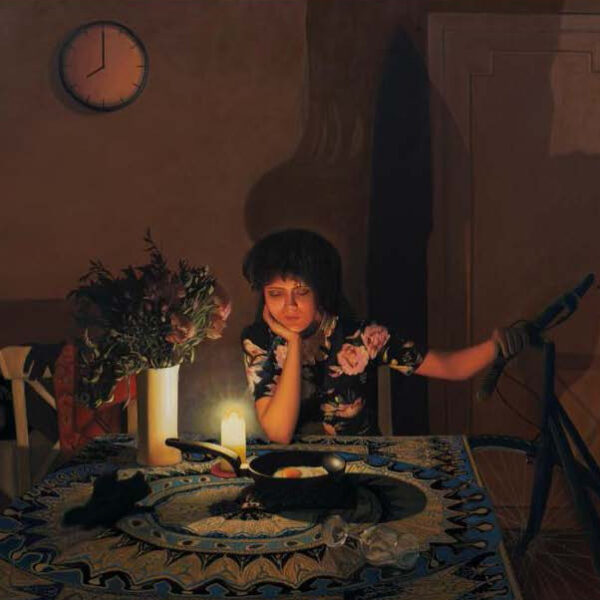
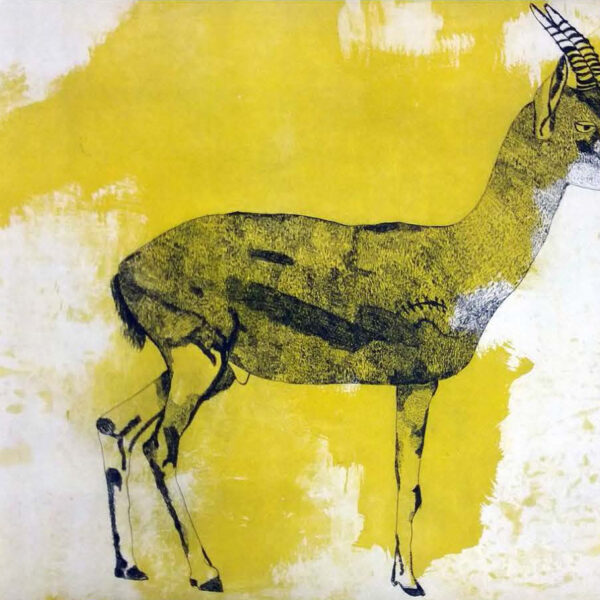
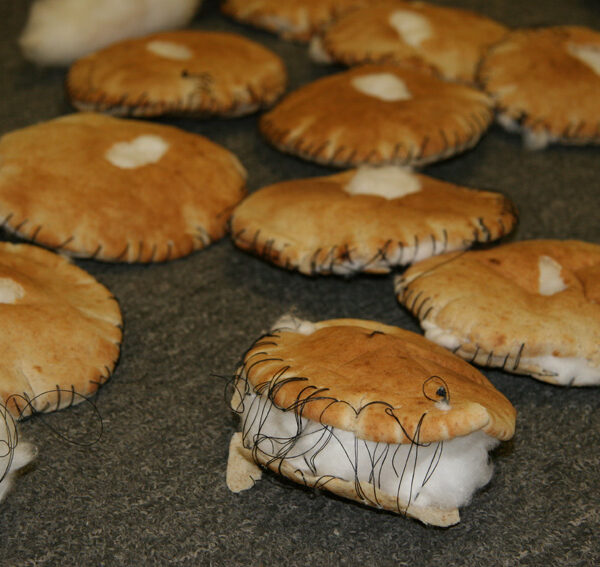
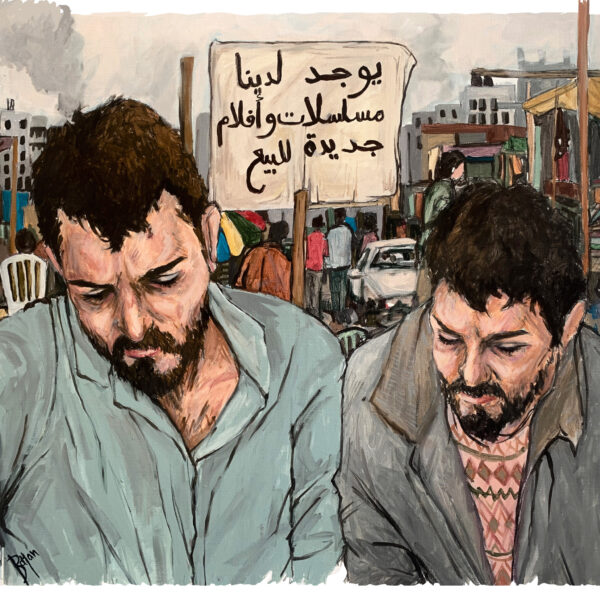
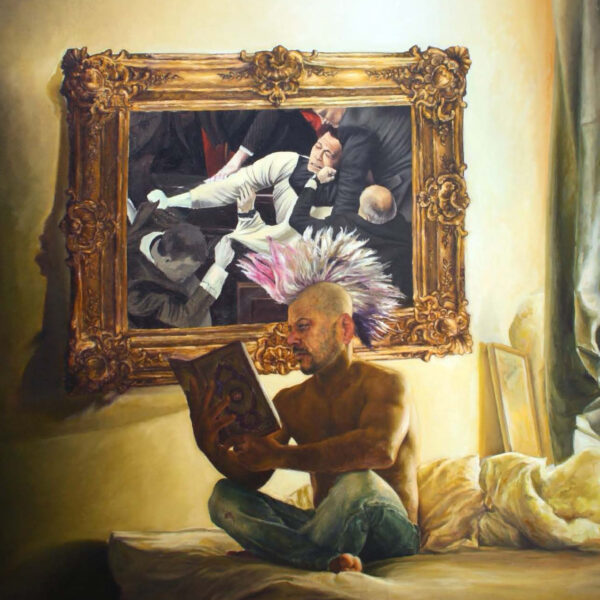
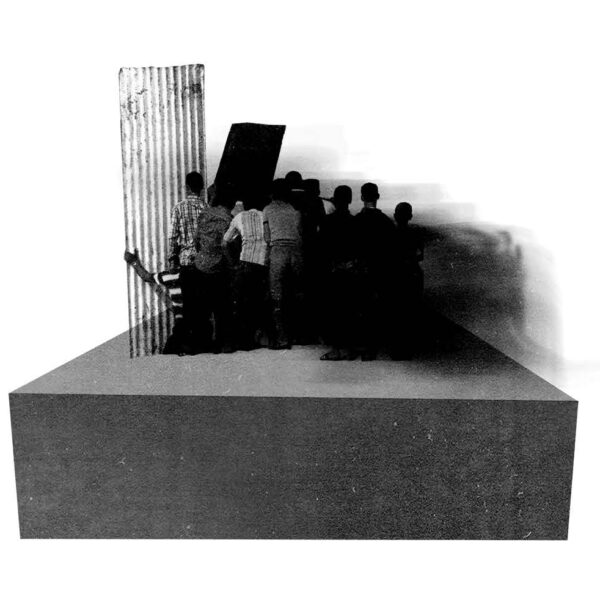
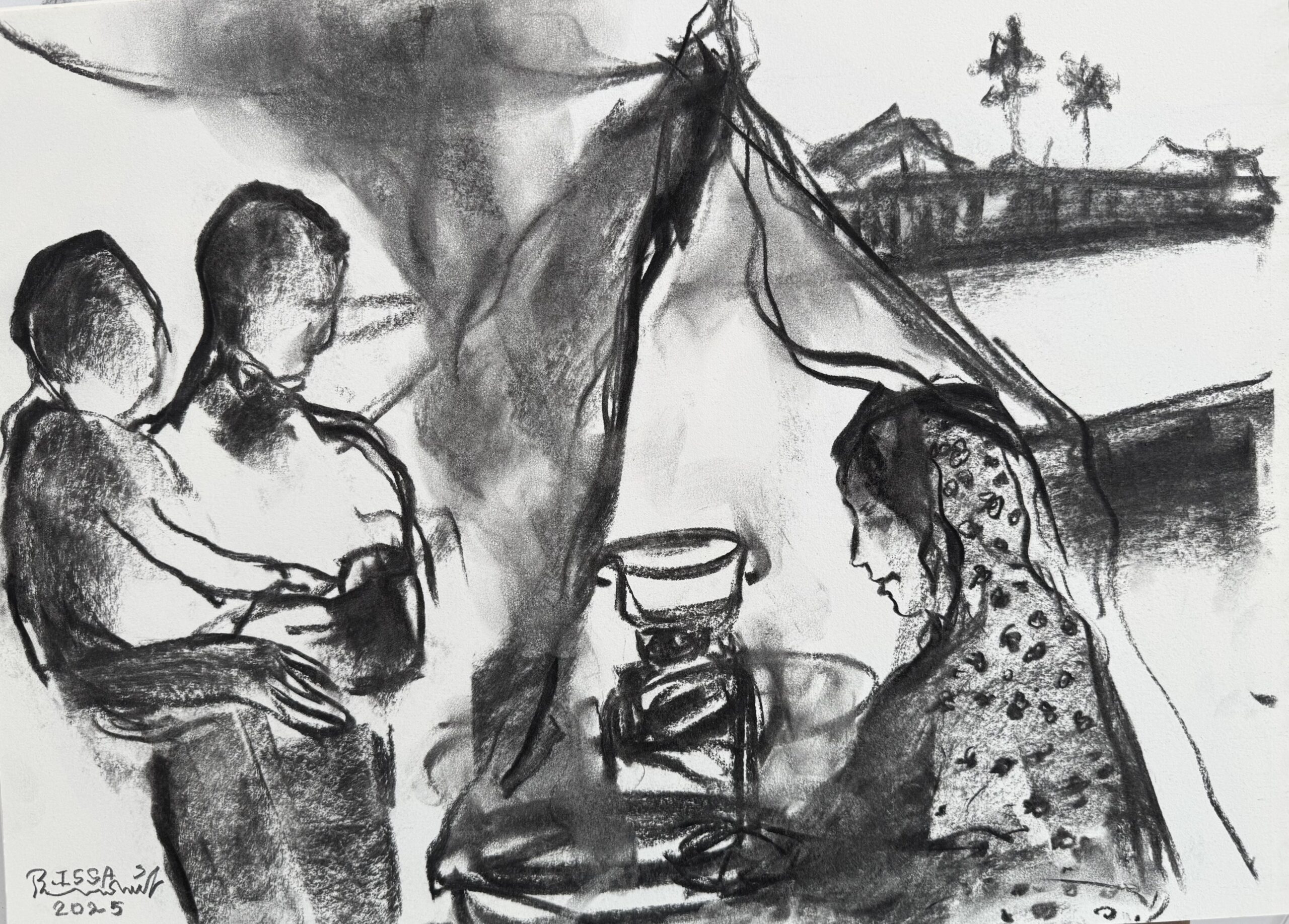
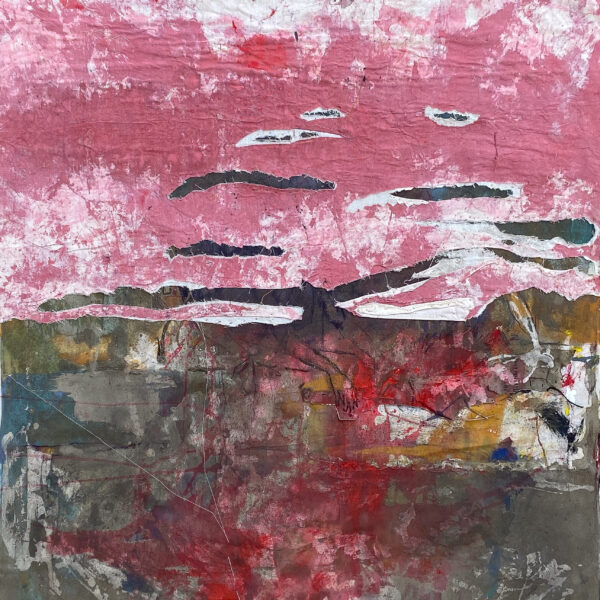
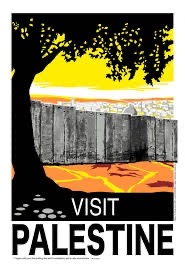
His installations and paintings reflect the reality of daily siege: fragmented structures, shattered architectures, and humble materials become visual symbols of imprisonment and survival. Projects like The Jasmine and Bread Revolution and Dream in Black and White use intense colours or dark tones to evoke the loss of innocence, the trauma of child detention, and the denial of personal space.
Joha channels his commitment into works that engage with the history, culture, and suffering of his people — never losing sight of human dignity or the hope for a possible future. With rigour and coherence, he embodies the role of the artist as guardian of collective memory, transforming trauma into a universal language. His style blends spontaneity and control, creating compositions that seem to emerge from the experience of the refugee camp — every mark heavy with memory and symbolic weight. His canvases depict not just a physical landscape, but a mental one shaped by war, confinement, and resilience.
His art is a subtle form of activism: it does not shout denunciations but stitches collective history together through visual secrets, icons of survival, and echoes of denied daily life. The artistic gesture becomes political because it reclaims the dignity of Palestinian existence, rejects oblivion, and breathes life into the smallest details. Mohammed Joha does not portray Gaza as a tourist or observer, but as a citizen of a city turned into both cage and memory. His personal and visual story thus becomes political narrative: art as testimony, the artwork as resistance, the mark as an act of life.
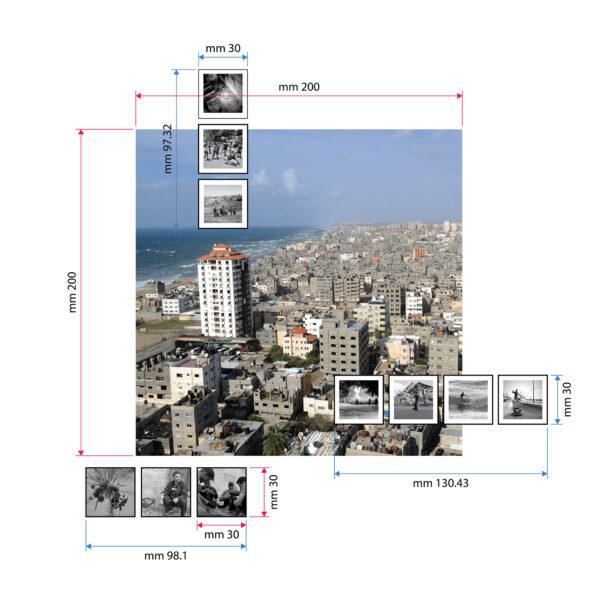
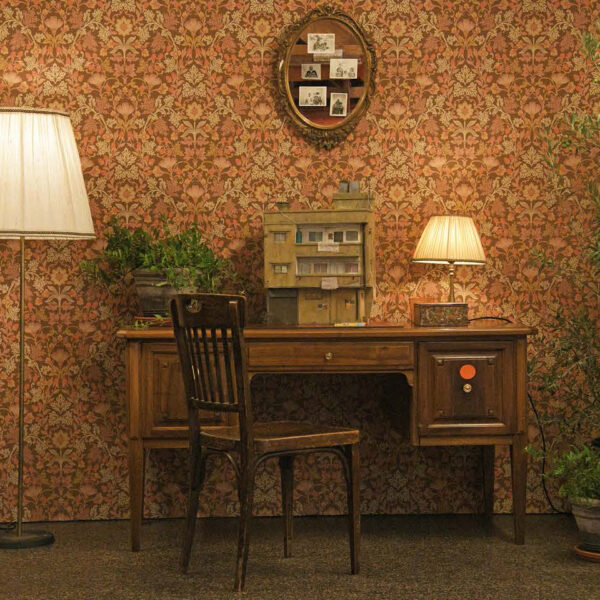
The works on display at the exhibition were created during Gaza ‘s bombing and iconically map the trauma of losing one’s heimat –as the Germans define it– but also of losing the object we cannot transport by car: our home. B – Bet in the Phoenician alphabet referred precisely to the house – which became bayt in Arabic and bayit in Hebrew: it has the same meaning in all semitic languages.
© Elettra Stamboulis
See more https://mohamedjoha.weebly.com/
Works
Artists